The arecanut palm is one of the important commercial crops of India (Areca nut production in India is the largest in the world). The crop is mainly grown in the states of Kerala, Karnataka, Tamil Nadu, Assam, West Bengal, Meghalaya, Maharashtra, and Andaman Nicobar group of Islands.
Renewable resource
These biodegradable areca leaf products are a natural and renewable resource. Areca Leaf that is naturally discarded from the areca tree are collected from the forest floor and No trees are cut down.
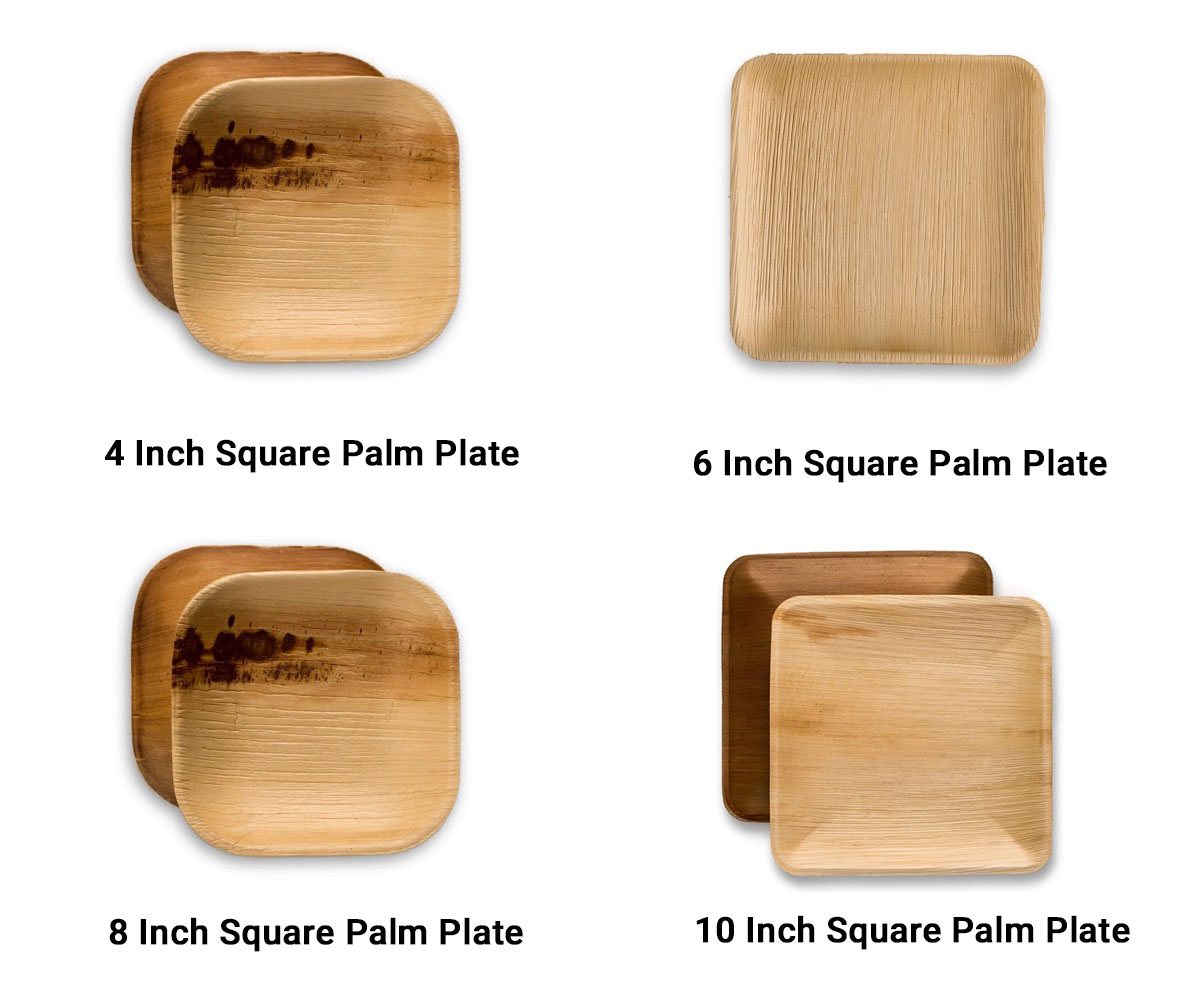
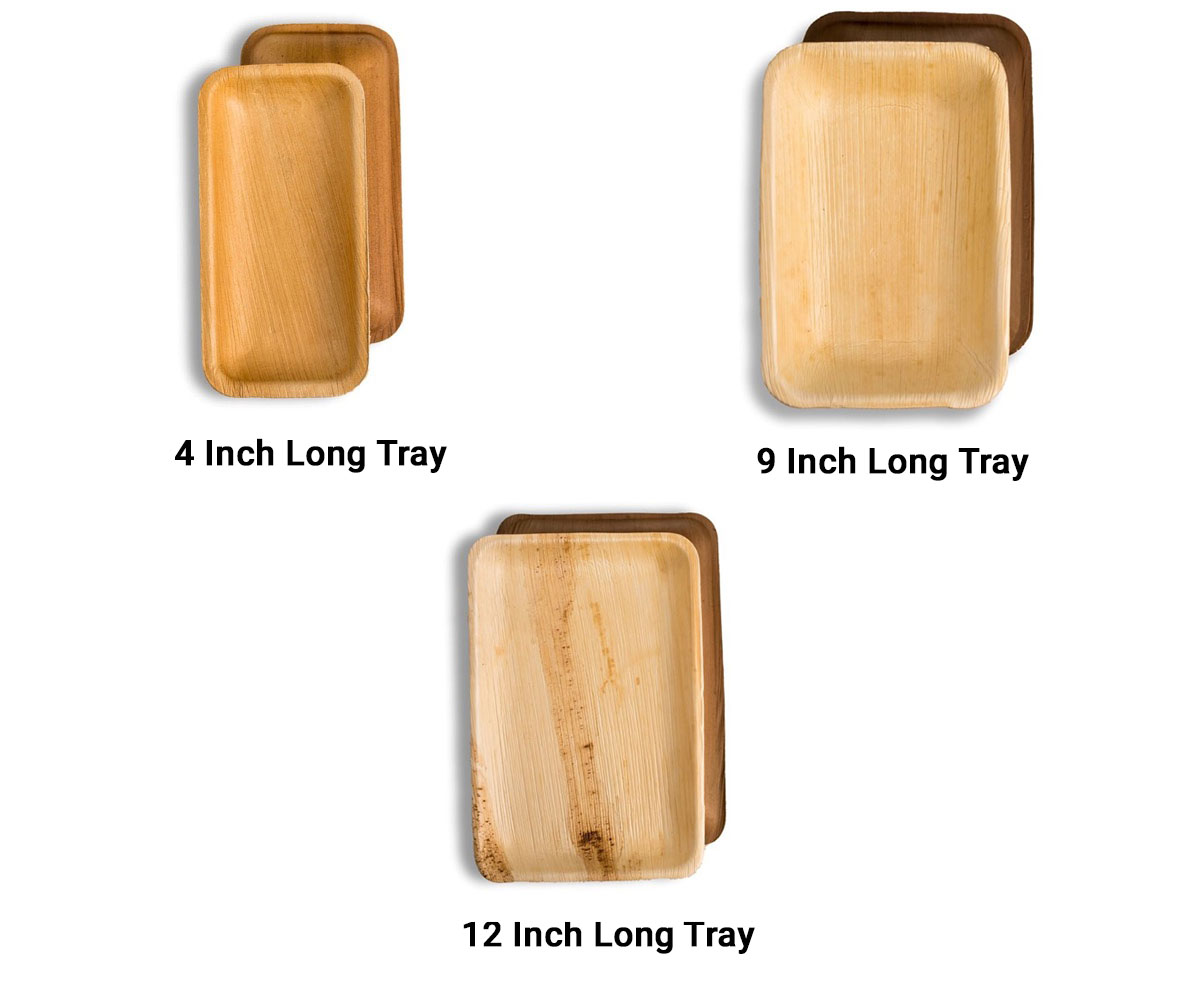
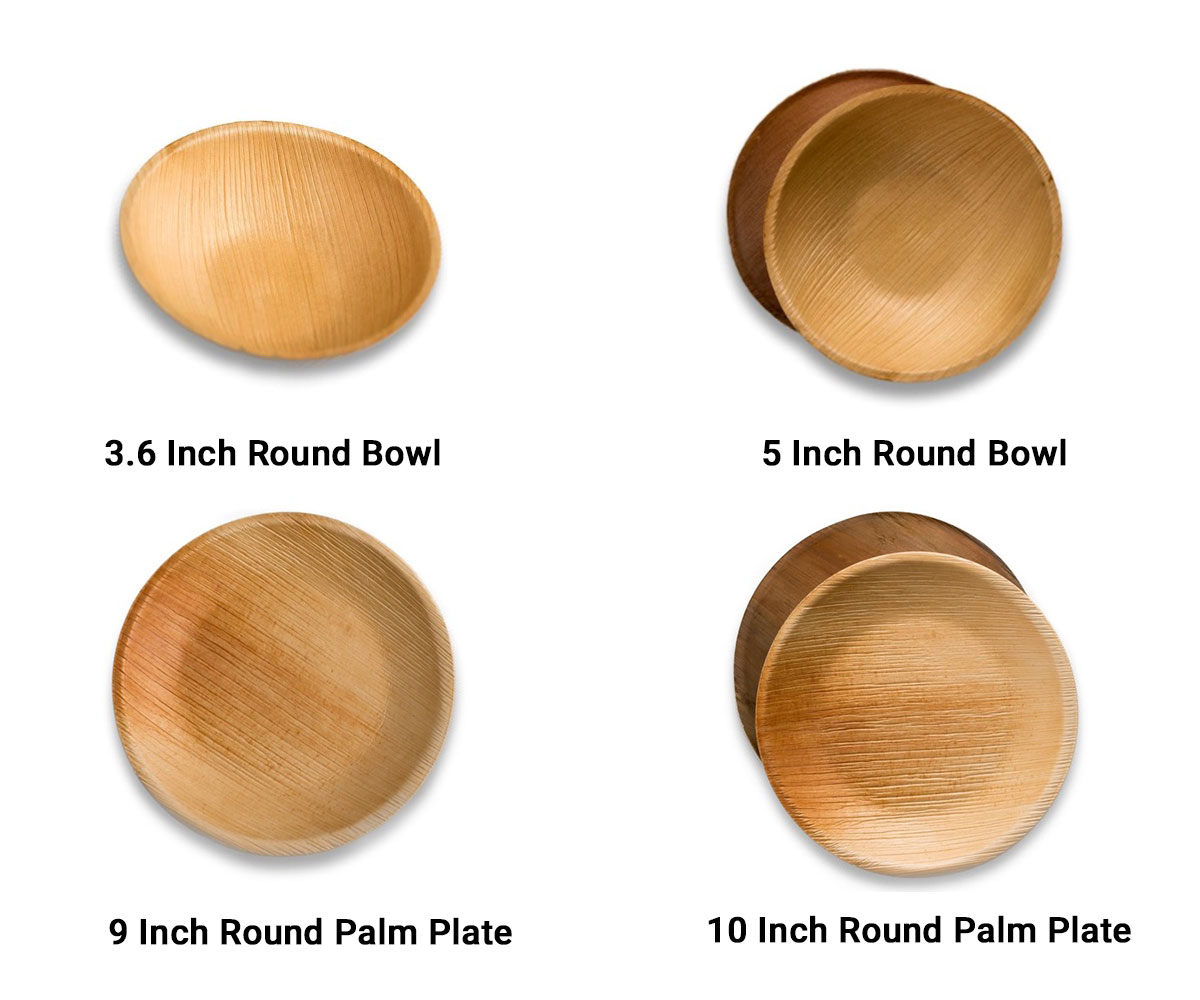
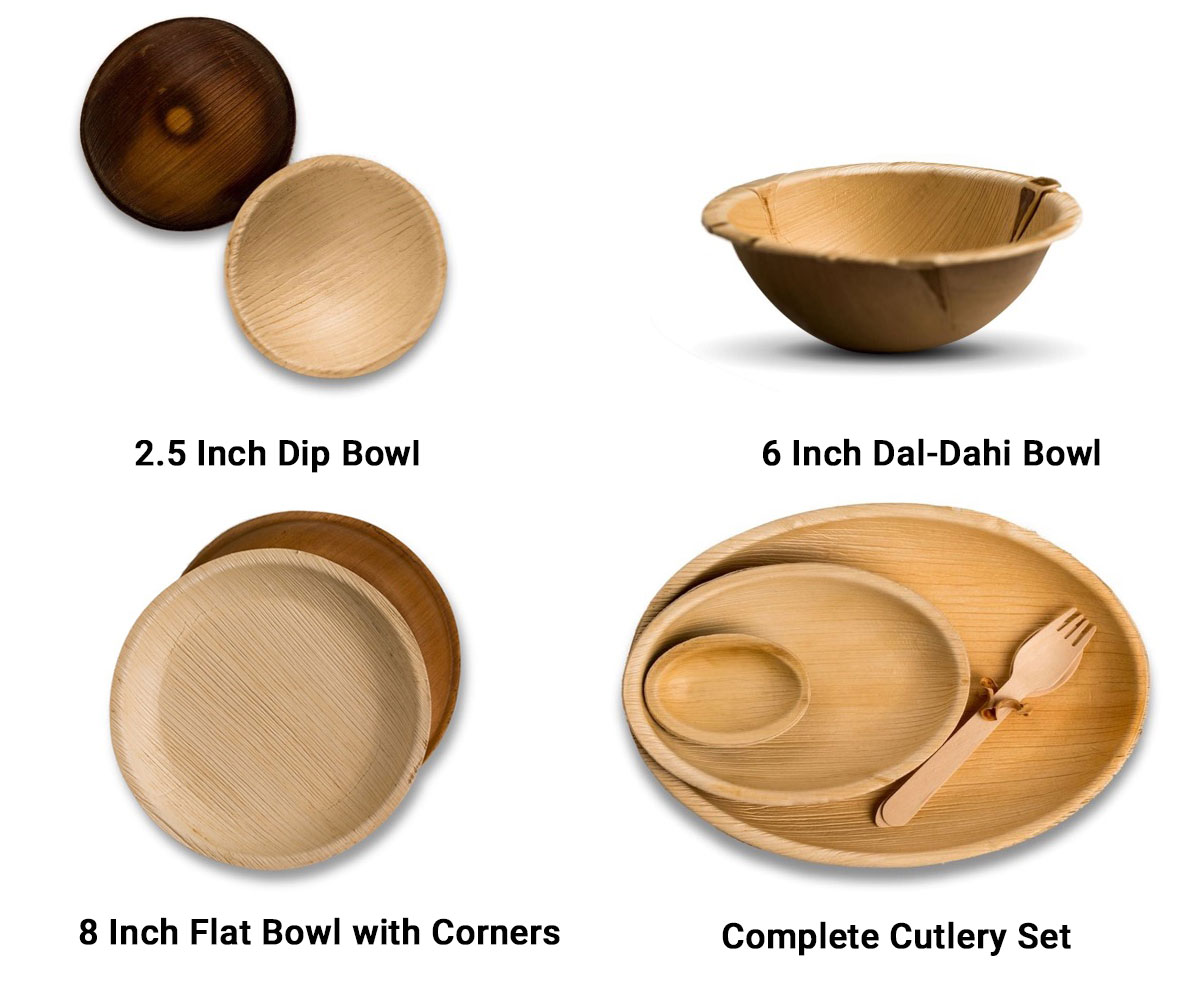
Areca leaf plates, cups and cutlery products are available in Indian market.
The areca leaf products are being produced with sustainable resource (made from fallen leaves, 100% natural) through eco-friendly process (no chemicals or additives used) and make sure it is acceptable to Earth when disposed (biodegradable and compostable)
From leaf sheath to plate is a whole process and consists of a few steps. Below the different steps are expained from harvesting the material till the disposal of the final product.
1. Harvest
Areca palms leaves with the sheaths attached to it fall naturally from the trees three à four times a year. By simply picking them up from the ground they are harvested. The amount of sheaths that can be collected from one tree at a time is two à three pieces. The average Areca palm plantation has around 2000 trees. One Areca sheath weights between 200g and 300g and has dimensions of 0,30 m by 1m.
2. Drying
After harvest the sheaths need to be dried properly as the sheaths are prone to mold and fungus due to humidity. Normally the sheaths are dried in the open sun. However the time to dry will be approximately 6 months.
For speeding up this process a Solar/ LPG drying unit will be designed. The use of an alternative form of fuel, such as LGP, makes it possible to continue production during periods of little sunlight. The dryer unit uses heated air to dry the sheaths. Also an effective drying storage facility will be designed to limit the drying time.
3. Cleaning
After the drying process the sheaths need to be cleaned thoroughly in water to remove dirt and dust. This is done manually with a brush. During cleaning the sheaths will absorb water, which will make the sheaths more flexible for pressing.
4. Pressing with heat
The sheaths are laid in the machines, whereas it will be pressed into the shape of the dies. These dies will be customizable to make plates of various shapes and sizes. They are heated by an external energy source and will be pressed with a certain amount of pressure, this changes the structure of the sheath particles making them fixed in their shape during pressing. A moisture content above 5% needs to be maintained during pressing or else cracks will appear in the products. Depending of the size of a sheath, multiple products can be pressed.
5. Finishing/ post cure
After pressing the plates contain too high moisture content, this means that the plates need to be used immediately or need to be dried. After drying the plates can be stored up to 11 to 12 months.
6. Recycling of areca waste
After pressing the plates areca leaves sheath waste will be left. The waste can be used in making food stock for cattle or composted, because of its chemical composition. The sheath is comparable with paddy straw and has some minerals in higher values as copper, calcium and sulphur. However due to the size of the sheaths it needs to be shredded before use as food stock.
7. Quality control
Several tests need to be executed to check the quality of the plates. To ensure the products are sanitary for immediate use, coliform and yeast/mold testing is done. For checking if the material is safe for contact with food, phytosanitation will occur (with fumigation). Then the level of heavy metals will be tested for both human and environmental concern.
8. Packaging
The plates will be packaged in bundles. They need to be kept dry and clean. This is done by packaging the plates in plastic bags. This ensures the hygiene and quality of the plates.
9. Recycling of plates
The products are to be tested if they are completely natural, this means no additives, plastics, waxes or glues present in the material. Then its speed and ability to be composted needs to be tested. The speed and ability to be composted lies on a standard of 60% in 90 days. The Areca products will be composted 150% above the standard 2 /3 time. The products are a good source as organic manure, as their composition is approximately; N2 (0,94%), P2O5 (0,096%) and K2O (1,00 %). When compost is mixed with the plate waste it will act as fertilizer. This will result in high quality compost and enhance the plant growth.
Certifications for Areca Leaf Plates
When you are choosing to purchase Areca plates over the standard disposable plates, you would want to make sure that the Areca plates you choose are actually as healthy and eco-friendly as they are advertised or claimed to be.
The products are completely hygienic and safe and the following tests can be done by the importer/buyer. We can also get the test done on behalf of importer/buyer on payment basis.
1. Health tests
2. Biodegradability/compostability tests.
© 2024 Resourcing Design - All Rights Reserved
BIODEGRADABLE PROCESS